“How to Build Powerful AI Applications with LLMs — A Practical Guide to the Future of Software”
Youngfresh
1 month, 3 weeks ago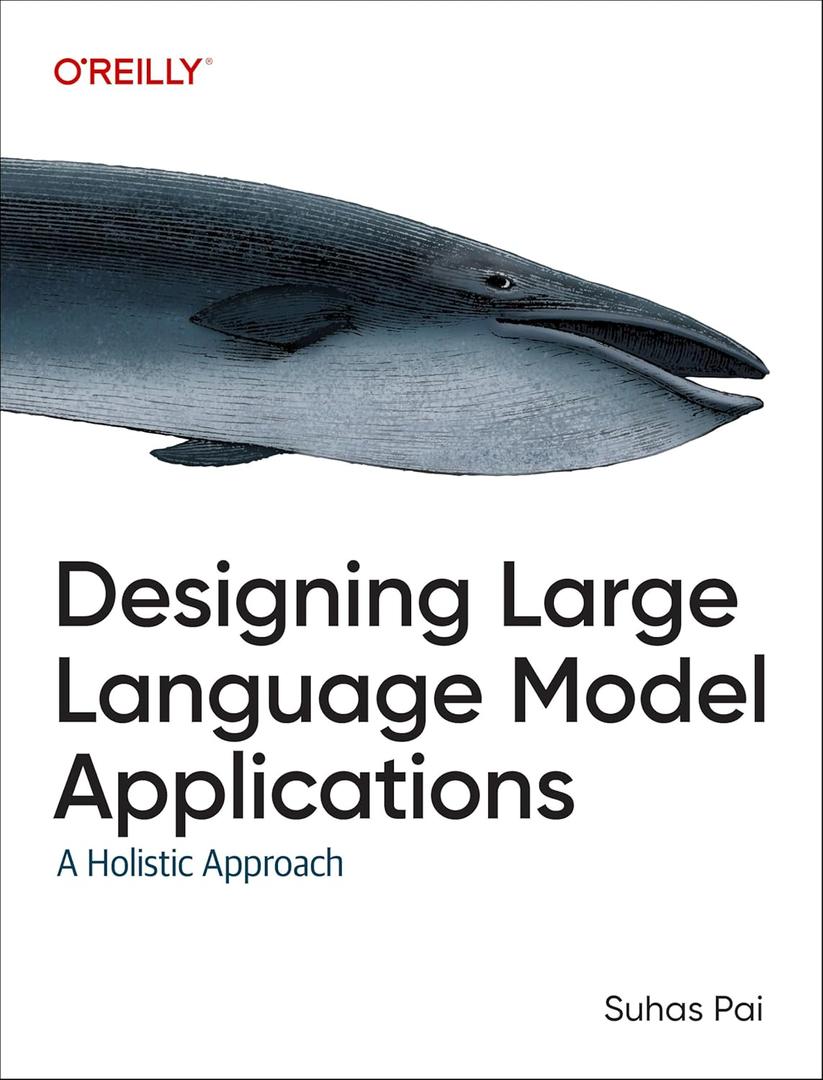
"Are you ready to create the future of tech?"
As artificial intelligence (AI) continues to shape the future of technology, the demand for large language models (LLMs) has skyrocketed. These sophisticated models, like GPT and BERT, are transforming industries from customer service to content creation, revolutionizing how we interact with machines. But how do we design these applications in a way that leverages the true power of LLMs?
In Designing Large Language Model Applications: A Holistic Approach to LLMs, we get a detailed roadmap for creating intelligent systems that are not only capable of understanding language, but can also process, respond, and evolve based on real-time data. In this article, we’ll explore the fundamental principles of LLM application design, what makes it a game-changer, and how you can start integrating these models into your own projects.
The Core of Large Language Model Applications
Large Language Models are built upon deep neural networks that are capable of processing vast amounts of text data to understand and generate human-like language. These models have proven to be highly effective in a variety of tasks such as:
Natural Language Processing (NLP)
Text Summarization
Sentiment Analysis
Speech Recognition
Chatbots and Virtual Assistants
The application potential is enormous, and the design of LLM-powered systems is where the real magic happens. A holistic approach to LLM application design includes understanding the balance between architecture, data flow, training processes, and ethical considerations.
Key Principles of LLM Application Design
1. Data Quality and Preparation
The effectiveness of any large language model hinges on the quality of the data it is trained on. This is where many AI projects go wrong. Garbage in, garbage out holds true here. For effective results, a robust data pipeline is essential to preprocess, clean, and standardize large datasets for training.
What to Look For:
Curated datasets with high relevance
Diverse linguistic representation (multi-language and dialect considerations)
Rich contextual examples for training
2. Model Selection and Fine-Tuning
Choosing the right model is paramount. While pre-trained models like GPT-3 or BERT have massive potential, fine-tuning them for specific applications allows the system to provide more accurate, domain-specific responses. Whether you're building a chatbot for customer service or an automated content generator, fine-tuning your model on industry-specific data can significantly improve accuracy and user experience.
Tips for Fine-Tuning:
Collect domain-specific training data
Use transfer learning to adapt general-purpose models to niche needs
Regularly monitor and update models for ongoing performance improvement
3. Scalability and Performance Optimization
Designing applications that can scale is critical. Whether you're processing thousands of customer queries a day or generating high volumes of content, it’s important that your LLM application can handle increased traffic without performance degradation.
Key Considerations:
Efficient infrastructure for large-scale deployment
Distributed computing frameworks like Kubernetes for scalability
Real-time performance tuning for seamless user experiences
4. Ethical Considerations and Bias Mitigation
As powerful as these models are, LLMs can also perpetuate biases inherent in the data they are trained on. It is essential to implement measures to identify and mitigate potential biases that could skew outputs or lead to unethical behavior.
Steps to Address Bias:
Diverse and inclusive training datasets
Regular auditing for biased outputs
Implementing fairness algorithms for neutrality
Why Designing Large Language Model Applications: A Holistic Approach to LLMs is a Must-Read
The book provides a comprehensive approach to creating intelligent systems powered by LLMs. This is not just for AI engineers or data scientists but for anyone who wants to understand how these transformative models work and how they can be applied in the real world. Here are just a few reasons why you should consider adding it to your reading list:
Step-by-step guidance: From model selection to deployment, this book takes you through every stage of the LLM application design process.
Real-world examples: With practical use cases from different industries, the book shows you how these principles have been successfully implemented.
Insight into future trends: Understand the direction of AI and machine learning, preparing you for the next wave of innovations.
User Reviews: What Readers Are Saying
“I’ve worked in AI for years, but this book opened my eyes to how holistic design can optimize LLMs. It’s a perfect read for both beginners and experts alike.” – Jared M., AI Developer
"As a product manager, understanding the integration of LLMs into our products was challenging. This book laid everything out in a way that was easy to understand and actionable. A must-read!" – Sarah T., Product Manager
“Fantastic. Clear, insightful, and practical. This is a must-have resource for anyone interested in the intersection of AI and application design.” – Chris H., Data Scientist
Why You Should Buy Designing Large Language Model Applications
If you’re passionate about machine learning, AI, or simply curious about how language models will impact the future, this book is a perfect starting point. Whether you’re a business professional, engineer, or hobbyist, it offers the tools, insights, and frameworks you need to leverage the power of LLMs.
The ability to create intelligent applications that understand, learn, and evolve is no longer a far-off dream. It’s happening now, and this book is your key to mastering the art and science behind it.
👉 Buy your copy today
Disclosure: As an Amazon Associate, I earn from qualifying purchases.
Final Thoughts: The Future of AI is Here
As we continue to push the boundaries of what’s possible with AI, large language models will become even more central to our daily lives. By mastering the design of LLM applications, you’ll not only be prepared to navigate the current AI landscape but also shape its future.
Designing Large Language Model Applications: A Holistic Approach to LLMs equips you with the tools and knowledge to be part of that exciting journey.
“If this resonated, share it with one person who needs it.”
Comments (3)